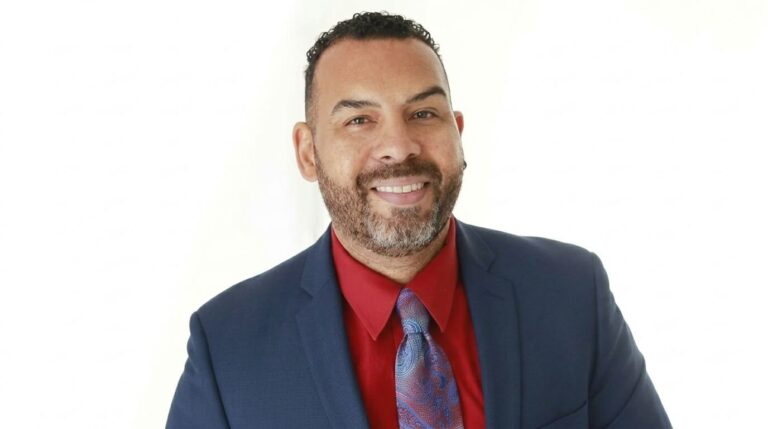

Like all stories in foster care, Tristian Smith’s was one that began with pain and loss. When Tristian was seven, his mother died of a heart attack. He entered foster care soon after and stayed until he was 18, living in nearly 30 foster homes and attending 13 schools!
The constant moves meant more than new addresses: Tristian repeatedly lost routines, friendships and familiar schools, and learned to read each new room and adjust quickly. While resilience meant adaption and survival, it came at a significant cost. He often felt like he was the problem, while grief and trauma surfaced as anger, withdrawal and defiance.
After aging out of the system, he became a U.S. Army officer, a CASA volunteer and an author. Tristian has a unique vantage point and lens to speak as an advocate and foster care reformer as he draws on his own lived history of being in the system. As a recent guest on the Foster Friendly Podcast, he shared what helped him and what he wants foster parents to know.
Listen to the episode or watch below:
Look Beyond the Behavior
Tristian’s advice to foster parents is not to take a child’s behavior personally. Kids may reject or defy you, he said, perhaps because they are trying to figure out whether you will stay. Instead of asking why a child is behaving this way, try to find the message underneath.
Ordinary Moments Matter
He also urged foster parents not to underestimate dinners together, school events or simply asking about a child’s day. Those moments tell a child that someone is interested in who they are.
The Power of Showing Up
Tristian recalled foster parents Ann and Eric Wyatt, who treated him as family and took him to his mother’s memorial. Years later, a mentoring couple in Fort Valley became like a mom and dad to him. Finishing the sentence “What kids in foster care really need is…”, he said: “someone who keeps showing up long enough for them to believe that they aren’t temporary.”
More of Tristian’s thought provoking quotes:
- “Kids are going to reject you, question you, defy your guidance. They may not even accept affection the way you think they should. It doesn’t necessarily mean they don’t want a relationship with you. Maybe they’re trying to figure out whether or not you’re going to stay.”
- “Instead of asking a child, ‘Why are you behaving like this?’ try to figure out what the root cause is. I feel like most behaviors that kids express, they’re trying to tell you something.”
- “A lot of the time, I felt like I was the problem. Nobody was asking me about the trauma I had dealt with.”
- “I tell foster parents all the time that you’re the first person a kid sees when they wake up and the last person they see before they go to bed.”
- “The system focuses so much on permanency – reunification, guardianship, adoption – but a court order alone doesn’t give a young person belonging, trust, or someone they can call when life becomes difficult.”
- “I didn’t write the book as a pity-party story. I wanted young people with similar experiences to know that they aren’t defined by what has happened to them.”
- “They need someone who listens to them, believes in their potential, holds them accountable without giving up on them, and continues to be a present force even when building that relationship becomes difficult.”