
This blog comes from a recent conversation on The Foster Friendly Podcast.
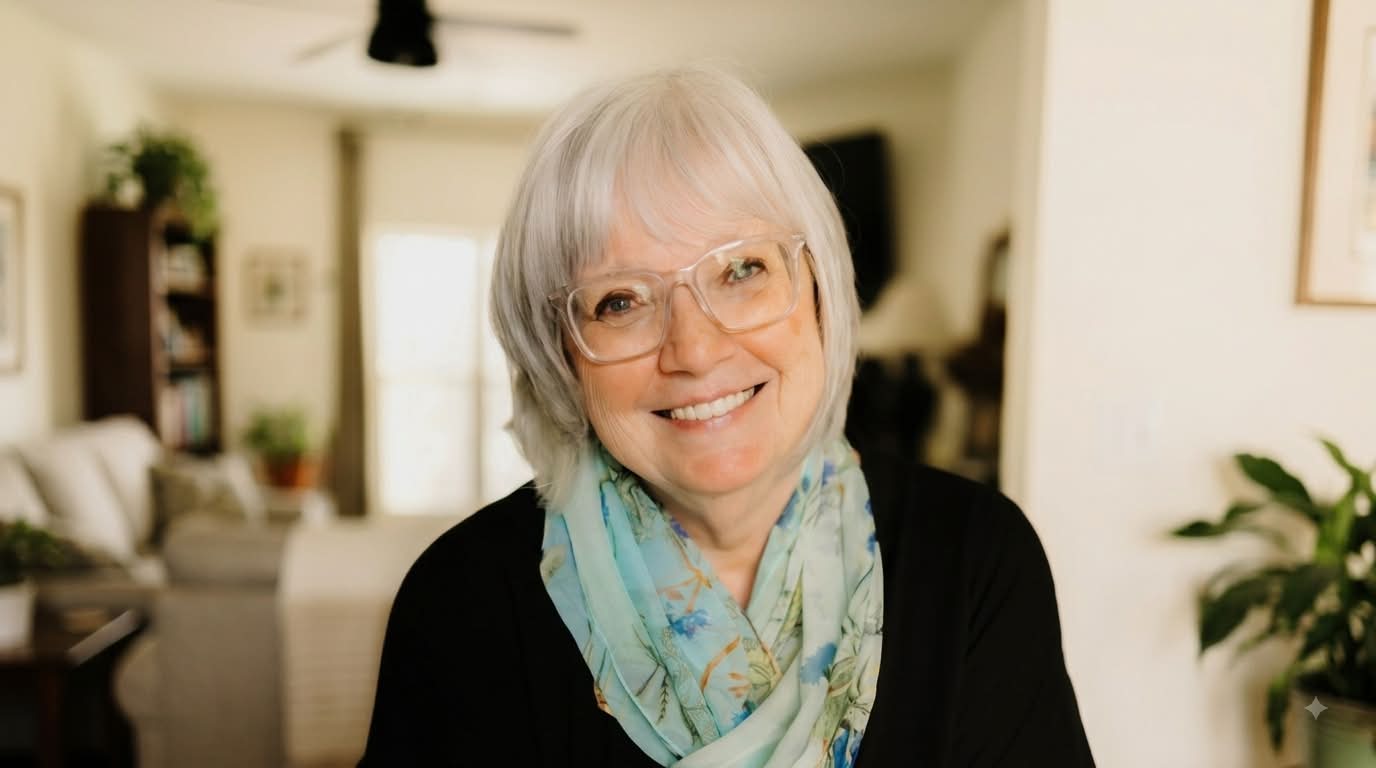
When Judy Wright was asked, “Would you please just hold her until she dies?” she said “yes.” That decision led to one of the most extraordinary foster care stories you’ll ever hear – and one that will change how you think about attachment, advocacy, and what children in foster care truly need.
How Judy and John Started Fostering
Judy and John Wright did not begin their journey by taking on the hardest cases right away. Like many foster families, they started in a way that felt manageable and made sense for their season of life. At the time, they had four children of their own, with two still in high school. John worked as a corporate pilot and traveled internationally, so Judy carried most of the day-to-day parenting responsibilities at home. Even so, they had long dreamed of becoming foster parents.
When they moved to Michigan, Judy met a neighbor who was fostering through a Christian adoption agency that placed babies with families until a birth mother made a decision. That felt like a good place to begin. They took in 15 babies in 15 months through that agency, and Judy says it was a helpful entry point because no one was being rushed.
The birth mothers had time to decide whether to parent or place their child for adoption. For Judy and John, that mattered. It allowed them to step into care without feeling like they were forcing an outcome. Eventually, they transitioned into state foster care and embraced the full training process. They didn’t treat it as a side project or something to try halfway. They jumped in with both feet. That matters because a lot of people assume foster care has to begin with a giant leap. Judy’s story shows that it doesn’t. You can start with respite care, emergency placement, short-term care, or an agency that fits your comfort level. The key is not perfection – it’s availability.
Listen to episode here or watch below:
“Why Not?” – The Mindset That Carried Them Through
When Judy was later asked to take in Jaden, the request was unlike anything she had heard before. The baby was two months old, four pounds, blind, deaf, tethered to monitors, and carrying a long list of diagnoses. Before Judy even met her, a NICU nurse spent more than two hours going through the chart. Judy remembers wanting to see the baby for herself, not just hear the medical details. She’s a “gut person,” as she put it. She wanted to know whether she could truly care for this child. Then came the question: would she just hold her until she dies?Judy’s response was not sentimental. It was practical, prayerful, and deeply rooted in her view of foster care. Her answer, in essence, was: “Why not?“
That simple phrase became a guiding principle. Instead of asking, “Why us?” Judy asked, “Why not try?” Instead of seeing a diagnosis as the end of the story, she saw it as a reason to stay present. That posture didn’t erase the medical reality. Jaden was extremely fragile, and Judy and John knew that. But it kept them from shutting the door before the child even had a chance. This is one of the most powerful lessons in the entire conversation: sometimes foster care begins with a question of willingness, not certainty.
Judy also made an important point that many foster parents will recognize. Children like Jaden are often handed off into systems that are overwhelmed, under-resourced, and racing the clock. The professionals caring for them may be doing the best they can, but they may not have the time, bandwidth, or flexibility to linger, hold, advocate, and keep trying. That’s where foster parents can make a difference.
Judy’s “Why not?” approach isn’t about ignoring risk. It’s about refusing to give up too early. It’s about asking whether one more try, one more appointment, one more phone call, or one more act of persistence could change a child’s trajectory. Sometimes that answer is yes.
The Breast Milk Breakthrough That Changed Everything
One of the most remarkable parts of Jaden’s story is the moment Judy pushed for breast milk. At first, Jaden was being fed a high-calorie formula and was failing to thrive. She gagged at every feeding. The apnea monitor went off constantly. She slept nearly all day. Judy describes sitting beside her for hours on end, unable to move far because even a bathroom break could set off the monitor. Then Judy’s instincts told her something different: this baby needed human milk. That idea was not easy to put into action. Foster care is full of rules, and one of them was that they could not simply feed a foster child breast milk without approval. But Judy persisted.
She got a doctor involved, asked for the plan to be approved, and worked through the state channels. Within 10 minutes of the final approval, Jaden had breast milk in her mouth. And the change was immediate. The apnea monitor didn’t go off. Then the progress kept coming. Within two days, Judy says, Jaden was no longer blind and was looking at her face. Within four days, she reacted when the dog barked and was no longer deaf. It was the first time Judy believed the baby might actually live.
This part of the story matters deeply! It shows what can happen when a foster parent notices something, trusts that instinct, and keeps pushing until the child gets a real chance. Judy didn’t stop at finding the right medical support. She also tapped into her community. Through her doula connections and breastfeeding support networks, she found donors for donated human milk.
What started as one desperate effort turned into a wide-reaching act of generosity. In Jaden’s breast milk days, Judy says, she received milk from 350 pump-and-donor moms across 10 states and Canada. That’s not just a heartwarming detail – it’s a reminder that fostering often becomes a community effort.
Attachment Is Not the Problem – It’s the Point
One of the most important themes in Judy’s story is attachment. People often ask foster parents, “How do you keep from getting attached?” Judy’s answer is clear: you don’t. You attach. That’s what children need. She explains that babies need touch, eye contact, skin-to-skin contact, and consistent love to survive and thrive. Kids in foster care may need that even more because many have experienced separation, trauma, or a lack of stable caregiving. For Judy, attachment was not something to avoid – it was part of the job.
That’s why she carried Jaden in a sling or wrap, kept her close, and never treated her like a case number. Even with all the equipment – oxygen, monitors, diapers, appointments – Judy made sure Jaden stayed physically and emotionally connected. This is a hard truth for many foster families: attachment hurts when transitions happen. But withholding attachment hurts children even more. Judy makes it plain: the time you stop being attached to kids in foster care is the time you should stop fostering.
That’s not a dramatic line. It’s a philosophy of care.The story also offers a beautiful example of what healthy transition can look like. When the time came for Jaden to move to her adoptive parents, Judy did not disappear. She worked with the adoptive family, Mama Callie and Daddy Mark, to create a long, gentle transition. Judy became “Mama Judy,” and Callie became “Mama Callie.” Both were part of Jaden’s life. Callie later told Judy something profound: “It isn’t love divided, it’s love in abundance.”That may be the most important adoption insight in the whole conversation. Children don’t lose love when more adults care for them well. They gain it.
What This Story Means for Foster Care Today
Judy’s story is remarkable because it is both deeply personal and broadly instructive. It says something important about foster care that gets lost in policy discussions: children need advocates who will see them, stay with them, and keep asking, “What if?”That applies whether a child is medically fragile, emotionally overwhelmed, or simply trying to figure out where they belong. Judy and John also modeled what it looks like to involve children in their own care as much as possible.
They sat down with children and heard their concerns. They believed children deserved a voice and deserved to be listened to. That principle carried through Jaden’s transition and shaped the family’s approach to foster care overall. And when Judy was asked what foster children really need, her answer was direct: they need you to advocate for them. They need a voice. They need to be heard. That’s a strong closing truth for any foster parent, caseworker, adoptive parent, or church member who wants to help. If you want to support foster children well, start there:
- listen first
- advocate early
- stay available
- and don’t underestimate what steady love can do
Judy’s story also lives on in practical ways. After John’s death, their children created the John and Judy Wright Scholarship through Ennis Center to help people who have been in foster care pursue higher education or other forms of learning. Proceeds from Judy’s book support that scholarship, extending the impact of their family’s work far beyond one child.
Judy Wright’s story is a powerful reminder that foster care is not just about placement – it’s about presence. She and John showed what it looks like to say yes when the need is great, to keep advocating when the system falls short, and to love a child so well that even transition becomes an act of grace.