

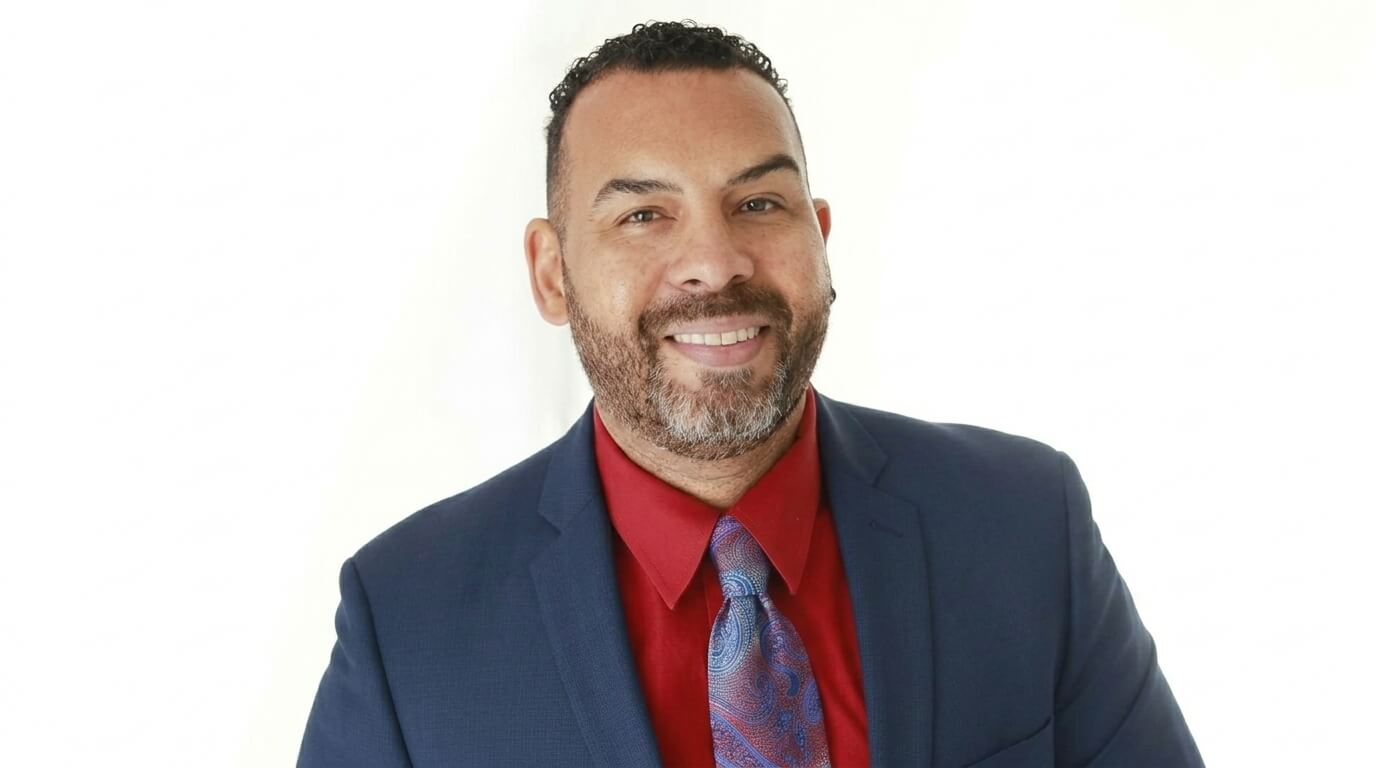
When a young person ages out of foster care, the system often expects them to figure out adulthood alone. But as Sensei Dave Armstrong makes clear, what changes a life is not perfection or having all the answers—it’s one consistent, caring adult who shows up again and again.
Dave recently joined the Foster Friendly Podcast and shared his story of being in foster care and eventually aging out of the system.
Listen to the episode or watch below:
The Reality of Aging Out of Foster Care Is Bigger Than One Moment
Dave’s story begin long before he aged out. As a child, he had a loving relationship with his mother until she remarried, and everything shifted. The home became violent, and he started running the streets to escape what was happening inside. That part matters because it’s easy to flatten a foster care story into a single event—a placement move, a court date, a transition out of care. But for many young people, the path to foster care is already layered with loss, fear, trauma, and survival behaviors.
- instability at home
- behavior that looks “bad” on the surface but is often rooted in survival
- repeated moves
- emotional shutdown or acting out
- a system that rarely pauses long enough to build trust
If you’re a foster parent, mentor, or caseworker, this is the part to remember: what looks like resistance and difficult behaviors is often pain in disguise. If you only see the final behavior, you miss the story underneath it.
One Consistent Adult Can Change the Entire Trajectory
When Dave talks about the adults who changed his life, he doesn’t list dozens of people. He names two. The first was Sensei Otto, his martial arts instructor and a therapist in one of the group homes he lived in. The second was Ron Barnick, his CASA and an Air Force pilot. Both of them offered something he had rarely experienced: a steady, credible, caring presence.
Dave said he got “very lucky,” but the deeper point is this—his life shifted because two adults didn’t treat him like a lost cause. They saw possibility, stayed consistent, and gave him something to mirror. That’s why his advice to foster parents is so direct: don’t expect trust just because you opened your home. Trust is not automatic. It has to be earned through consistency, patience, and safety.
A few practical ways that consistency, safety, and earning trust shows up in foster parents:
- Keep your word
- If you say you’ll knock before entering their room, do it every time.
- If you say you’ll show up to a game, appointment, or meeting, show up.
- Stay calm when they’re not
- Many youth in care have no template for regulation.
- Your calm becomes part of the lesson.
- Don’t make trust the price of care
- Care comes first.
- Trust may come much later, or in small pieces.
- Be the same person on good days and hard days
- Kids in care are constantly testing whether adults are real.
- Consistency answers that test better than any speech.
Dave’s experience echoes something many youth-serving professionals know but don’t always say out loud: sometimes one safe adult matters more than a whole stack of interventions.
What looks like defiance may actually be unfamiliarity with stability.
That doesn’t excuse harmful behavior. But it does explain why certain environments help youth finally begin to settle. Dave also made a strong point about separation from the old environment. After leaving foster care, he got pulled back toward old patterns when he returned home to visit.
In one moment, he nearly got into a dangerous street confrontation and realized how quickly everything could unravel. He didn’t go back for years after that.That decision is important because it reminds us that sometimes growth requires distance. And for many kids in foster care and for those who’ve aged out, gaining distance from negative environments is not easy.
The Best Foster Parents Don’t Pretend to Be Something They’re Not
Dave said kids who’ve been through the system have excellent “BS radar.” They can tell when an adult is performing, trying too hard, or wearing a mask. That hit home in the conversation for a reason: caring adults often think they need to act a certain way to connect with kids. They try to sound like a therapist, dress like a teen, or copy the language they think will make them relatable. But kids are often asking for the opposite. They want you to be real.
Dave described how his own mentors were effective not because they mirrored him perfectly, but because they showed up authentically. One was a white Air Force pilot who introduced him to chopsticks, Chinese food, and a different kind of world. The other was a martial arts instructor who helped shape his sense of discipline and purpose. Neither one tried to be him. They were simply themselves, and they cared enough to stay involved. That’s a useful takeaway for foster parents, mentors, teachers, and volunteers:
- Don’t fake expertise you don’t have.
- Don’t try to be “cool” if it isn’t you.
- Don’t overperform counseling language if genuine conversation would be better.
- Do show up as a steady, honest adult.
This also applies to how you speak to kids about their behavior. Dave emphasized that the goal is not to lower the bar, but to build a stronger bridge so they can reach it. In other words, stop adjusting your standards downward and start giving youth the support they need to reach a higher one. That’s a much better model than pity or fear. It says: I believe you can do more, and I’m going to help you get there.
What helps young people thrive after foster care? Sensei Dave Armstrong’s answer is simple: one consistent adult who shows up, earns trust, and stays.
Dave knows this journey firsthand. It is in fact the legacy of his own story. Without the consistent adults who showed up on his life at pivotal times he never would have went on to serve 24 years in the U.S. Air Force, or become a martial arts instructor, mentor, author, and youth advocate.