

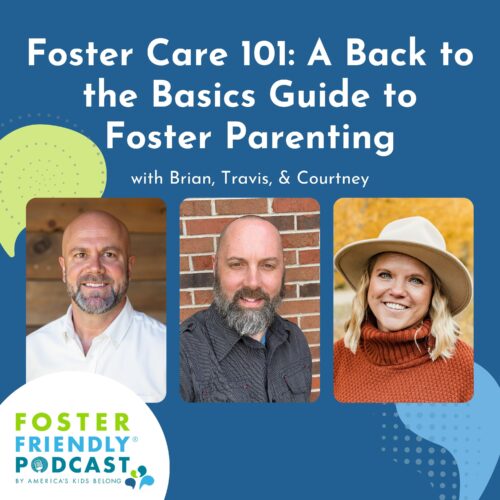
Have you ever wondered what it truly takes to be a foster parent? Or how ordinary people step into extraordinary roles to support vulnerable children? If these questions resonate with you, you’re not alone. In this post, we’ll shed light on foster care dynamics, and offer practical ways to engage—whether you’re ready to foster or want to support from the sidelines.
This blog post comes from a recent conversation on The Foster Friendly Podcast with hosts Brian, Courtney, and Travis. They shared some tips and insights as well as some stories.
The Power of Seeing Foster Kids in Action: Changing Perspectives
One of the most inspiring themes that emerged from these stories is how visibility and understanding lead to empathy. Courtney shared a vivid example: during a church community group, they witnessed a foster drop-off. The entire group saw a caseworker deliver a baby to a home, and the reality of foster care suddenly became tangible. These children aren’t just numbers or stories—they’re real kids facing hard times. Seeing this in action moved many from curiosity to compassion and even sparked offers to help, like bringing pizza or lending a hand.
Why does this matter?
Because observing foster care firsthand breaks down misconceptions—like the myth that kids in foster care are only delinquent or troubled. Instead, viewers see children as resilient individuals going through temporary, sometimes systemic, crises through no fault of their own! Courtney emphasized that these visual moments—seeing a child dropped off or in visitation—are powerful tools for fostering understanding and empathy. Key takeaway: Exposure to real foster care interactions transforms abstract notions into tangible compassion, encouraging community support and deeper understanding.
Listen to episode here or watch below:
Understanding Foster Care: The Types, Processes, and Realities
The Different Types of Foster Placements
Foster care isn’t one-size-fits-all. As Courtney outlined, there are several key categories:
- Emergency Placements: Immediate, often overnight, placements due to urgent situations like incarceration or neglect. Counties typically have on-call homes ready to step in at a moment’s notice.
- Short-Term Placements: Lasting from a few days to a few months, usually until families stabilize or children can return to relatives.
- Long-Term Placements: When reunification isn’t immediate, these placements can last months to years, with a focus on court-ordered reunification or permanent guardianship.
- Youth in Conflict: A newer category involving teenagers who experience family conflict, often related to behavioral or mental health issues, requiring specialized placement.
The Path to Placements: From Hotlines to Homes
Most placements originate from reports made to hotlines calling into social services. These reports trigger evaluations by caseworkers and law enforcement. Courtney describes the process as a funnel: the initial call leads to an assessment, potential family support, or an emergency removal. The process involves:
- An initial intake, including home visits and assessments
- Seeking kinship care options (relatives)
- Court hearings within the first 72 hours
- Deciding whether the child stays long-term or moves to foster care
The Realities Behind the Scenes
The data side reveals that neglect is the leading cause for removal—accounting for the largest portion, followed by substance abuse and physical abuse. These issues often coexist; neglect may occur alongside addiction. The siloed categories are often linked in real-life situations.
How Foster Families Prepare and React to the Call
The On-Call System and Family Readiness
Many foster families are part of an on-call rotation. These families prepare themselves to respond to emergencies at any hour, sometimes with only minutes’ notice. They often have a clear idea of their preferences—whether short-term, long-term, or specialized care like sibling groups or children with medical needs. It’s vital to have conversations on planning and honest conversations within families about capacity and boundaries. For example, some families limit placements to specific age groups or genders, while others remain flexible.
The key?
Communicate openly with caseworkers and be clear about your family’s limits and preferences, understanding that sometimes, you might be asked to stretch beyond them. Practical tip: Always discuss and document your boundaries with caseworkers beforehand. Flexibility can be vital, but knowing your limits helps prevent burnout.
The Logistics and Emotional Toll
Once a child arrives, the work is far from over. The first 30 days involve numerous appointments—medical, dental, therapy—and navigating a maze of paperwork. Foster families also experience a rollercoaster of emotions, balancing the child’s needs with their own family dynamics. Despite the challenges, many families find purpose in this routine, seeing it as a way to provide stability and care during turbulent times.
Support systems matter:
Having community help—church groups, foster networks, or friends offering meals or babysitting—can make a huge difference.
What can outsiders do?
Offer practical help—serve meals, provide respite, listen without judgment, and respect the boundaries families set. Travis added that normalizing foster care as just part of everyday life—rather than a heroic feat—encourages more people to consider supporting or participating when they are called. Quote to remember: “The everyday magic of foster care isn’t found in grand gestures but in quiet, normal routines—shared meals, bedtime stories, and simple acts of caring.”
The Partnership: Foster Families and the System
Foster parents are vital, but they are not the decision-makers. Foster parents are caregiving partners with social services and courts, providing daily stability while trusting the system to make long-term decisions. Responsibility for the child’s future rests with social workers, courts, and policymakers. Foster families focus on what’s immediate—the child’s physical and emotional needs.
Key point:
Foster families exist within a larger system. Open communication and mutual respect between families and caseworkers improve outcomes for children.
Final Thoughts: How You Can Make an Impact
Support doesn’t have to mean becoming a foster parent. There are many ways to get involved:
- Providing respite care
- Supporting foster families with meals or transportation
- Volunteering in church or community groups
- Advocating for systemic improvements
- Educating yourself and others about the realities of foster care



Foster care always seemed so complex to me. What do you think is the most important thing for new foster parents to understand?
I think one of the biggest important things for new foster parents is the reminder that you aren’t going to know everything or be fully equipped for everything. So much of being a good foster parent is learning as you go, asking your community for help, and finding resources and researching. It’s vital to also know you cannot do this alone and you need a community around you supporting you.