

Are you feeling the tug in your heart to make a difference in the lives of children in foster care? Maybe you’re wondering what it really takes to foster or adopt, and whether you’re up for such a big commitment. You’re not alone. Many people feel that initial hesitation—tied to fears, myths, and uncertainties. But the truth is, fostering can be one of the most rewarding journeys you will ever undertake.
In this post, inspired by insights from Dr. John DeGarmo (a leading voice in foster care) and actress and foster mom Jen Lilly, we explore the transformative power of fostering, practical steps to get started, and why this calling is more accessible than you may think. Whether you’re an individual, couple, or family wondering if foster care is for you, you’ll learn how small actions can spark big change, both in a child’s life and in your own.
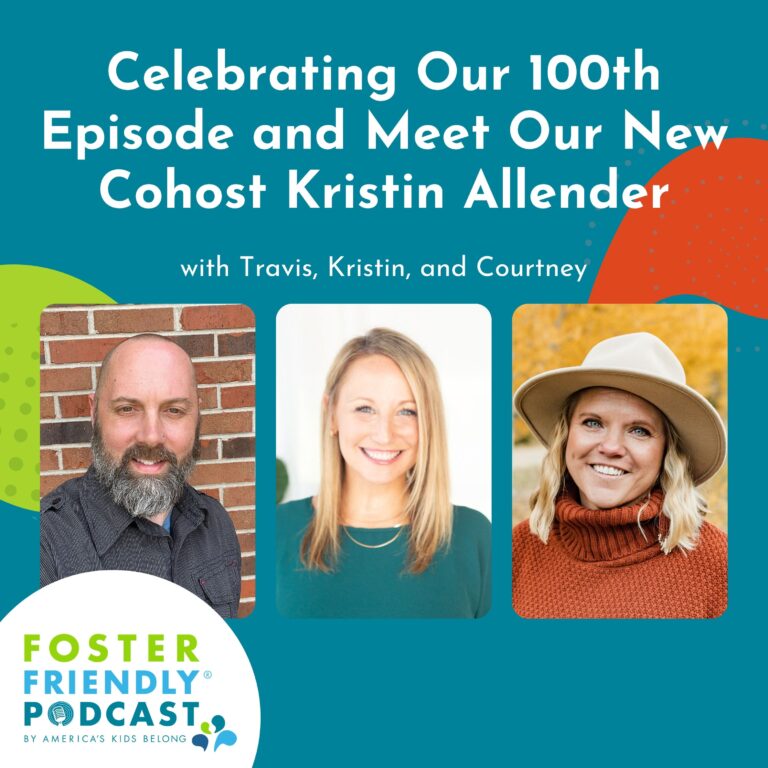
John and Jen were on the Foster Friendly Podcast: Listen to the episode here or watch below:
One concern often voiced is the pain of attachment—fostering a child and then losing them when reunification happens. However, foster parents like Jen Lilly and Dr. DeGarmo emphasize that love requires vulnerability. The heartbreak of saying goodbye is always worth the connection, because children leave with a sense of safety and unconditional love—and that, ultimately, helps tremendously in their healing.
That said, the grief and loss of having to say goodbye to a child (repeatedly) who really has become part of your family is not easy. However, there are effective strategies and helpful ways to cope with this difficult dynamic in fostering. Some of these include: developing healthy coping strategies such as self-care, support groups, or counseling. Connecting with other foster parents, friends, or family for emotional support. Additionally, Prioritizing your own mental and spiritual health and engaging in activities that rejuvenate and center you are vital.
Practical Insights from Experienced Foster Parents
Both Dr. DeGarmo and Jen Lilly share their personal journeys. Dr. John, who has fostered over 50 children and adopted three, recounts how encountering children in crisis—especially those affected by sex trafficking—drove him deeper into foster care. Jen, inspired by her own parents’ unlicensed but heartfelt foster care, highlights how her experiences growing up with foster siblings planted early seeds of empathy.
How to Take the First Steps Toward Fostering
Thinking about fostering may feel overwhelming, but it starts with a simple, practical step: education. The good news? You don’t have to decide right now—just begin by learning more.
Getting Informed: The Orientation Class
Research local foster agencies or organizations online. Contact them and sign up for a foster care orientation class. It’s a no-pressure way to discover what fostering entails, including the demands and rewards.
Pro tip:
No one will force you to foster after the class. Think of it as gathering intel before making a decision.
Building Support Systems
Foster care is a team effort. After completing orientation, join a local support group for foster families. These networks provide emotional support, practical advice, and a sense of community that can make the journey less lonely.
As Dr. DeGarmo points out, “the only person who really understands what it’s like being a foster parent is another foster parent.” Surround yourself with those who get it.
How Respite Care and Community Support Make a Difference
Fostering is not a one-size-fits-all endeavor. For some, starting with respite care—temporarily caring for a foster child—is a less intimidating way to get involved.
Respite caregivers provide short-term relief for foster families, caring for children during weekends or emergencies. This role helps foster parents prevent burnout and gives children stability and love, even temporarily.
Jen Lilly’s Pro Tip:
“Become a respite parent first. If you fall in love with the process, you can always expand to full-time fostering.”
The Impact of Small Acts
Supporting foster children doesn’t always mean opening your home full-time. Volunteer work, mentoring, or simply spreading awareness can create ripples of change.
Finding Ongoing Community and Support
Support networks—whether online, local groups, or faith communities—are vital. They offer education and emotional sustenance, helping foster families thrive through the rollercoaster of foster care.
Why Your Next Step Matters—and How to Take It
Many are called to foster but hesitate because of fears or uncertainty. Here’s what Dr. DeGarmo and Jen Lilly advise:
- Talk to your family: Foster care involves big commitments. Make sure everyone is on board.
- Attend an orientation class: Get the facts. It’s free and informative.
- Join a support group: Connect with other foster families.
- Consider your skills: Are you a mechanic? A hairstylist? Find practical ways to get involved—like offering free services or mentorship.
What if you’re still on the fence? Remember, you don’t have to be a perfect person or have a perfect family. The children in foster care need love, stability, and structure—and your willingness to show up can profoundly impact their lives.
Practical tip:
Many states’ child welfare agencies list upcoming orientation classes online. A quick search can set your journey in motion.
By Engaging Foster Care You Can Make a Huge Difference!
Whether through fostering, respite care, mentoring, or advocating—your actions matter. Children in foster care crave love, stability, and understanding. Their needs are simple but profound: structure, love, and a voice. When you say yes to fostering, you’re not just helping a child—you’re shaping a future filled with hope.
Final Thought Provoking Quotes:
Dr. John DeGarmo:
“The kids in foster care need three things: stability, structure, and unconditional love.”
Jen Lilley:
“The truth is, children need your attachment more than you need to protect your heart.”
Dr. John DeGarmo:
“The only person who truly understands what it’s like being a foster parent is another foster parent.”
Jen Lilley:
“You can use your God-given gifts and talents in order to make a lasting impact on these children’s lives.”