

Charell’s Foster Care Journey
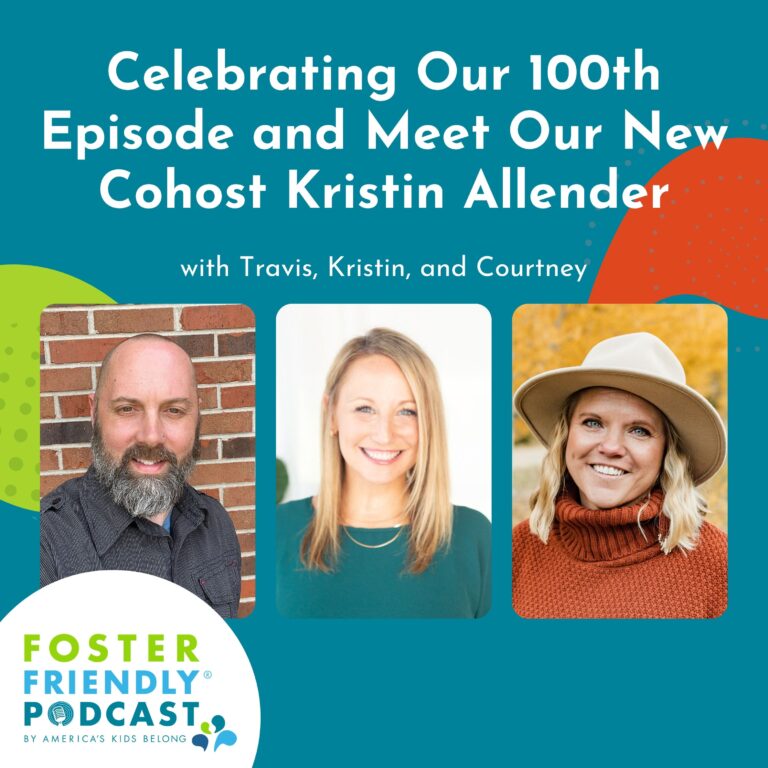
Charell recently joined the Foster Friendly Podcast with America’s Kids Belong and shared her journey involving foster care and where that has ultimately led her. It all started when her great-grandmother fell ill, leading her to enter foster care at the age of three or four. She vividly recalls her first memory: a social worker carrying her out of her Harlem apartment in a trash bag.
This moment of fear and heartbreak set the tone for her early years, bouncing between six different homes and six schools over six years. While incredibly difficult at times, each step also was marked by encouragement from teachers and mentors who believed in her potential, even when she faced new environments or trauma from her past.
Charell reunited with her mother around age 10 or 11, a period filled with learning how to be a family after years of instability. Later, her journey took her to college, becoming the first in her family to graduate—an achievement she attributes to community support, academic programs, and a belief in her potential.
Listen to episode here or watch below:
The Power of Advocacy
Charell’s transition from being a silent former youth in foster care to outspoken advocate demonstrates how speaking out can change perceptions and policy. Her story about a 2015 documentary called Feeling Wanted exemplifies this shift. Initially, she hid her foster care experience due to shame—it was a painful part of her background she was embarrassed to share.
But when she read about funding cuts to foster care programs, she was moved to action. Charell sent a heartfelt letter to the mayor’s office and to CASA (Court Appointed Special Advocates), an organization that trains volunteers to advocate for children in foster care.
Her advocacy led to her to sharing her journey of what it means to feel wanted and loved. Her courage has helped others realize that youth in care are more than their circumstances—they are capable of success, given the right support. Her story underscores a vital message: speaking out can inspire change, challenge stereotypes, and improve systems for foster youth everywhere.
The Role of Community and Mentors
The importance of community is a recurring theme in Charell’s story. She credits her success largely to people who believed in her—from teachers who moved her into gifted programs, to mentors who paid her application fees, to advocates like CASA volunteers who stand in for children’s rights.
She emphasizes that not everyone can foster or adopt, but there are many ways to support foster youth. Mentorship programs like CASA are especially impactful, providing consistent adult presence and advocacy that help youth navigate systems and believe in themselves.
CASAs—volunteers who are trained to advocate for foster children—can significantly improve outcomes. Charell notes that youth with CASAs are more likely to be reunified faster, graduate from high school, and find permanency. The commitment is typically two years, with ongoing support after placement, creating a stable, caring connection during a turbulent time. Every person can contribute—whether by volunteering, donating, or helping raise awareness—ensuring every youth has access to a caring advocate.
[Learn how to become a CASA volunteer in your area]
The Role of Education and Opportunity
Charell’s memoir, Trash Bag Tales and Other Stories from an Accidentally Happy Life, shares lessons learned from her tumultuous journey. Despite early trauma, she found strength through education, community programs, and believing in herself. Her story illustrates that success is possible when youth are given support, opportunities, and the belief that they can succeed. Her experiences with specialized programs and scholarships opened doors she didn’t think possible—showing that access and encouragement matter.
Now Charell advocates for helping youth realize their potential, regardless of their background, by providing the right environment and community. Some practical steps to support educational success include:
- Promote awareness of specialized learning programs.
- Support scholarships for foster youth.
- Encourage mentorship and involvement in extracurricular activities.
Why Community Support Matters
Charell’s story underscores an essential truth: foster youth need more than just stability—they need emotional support, belonging, and hope. Her poignant reminder: “You can’t heal alone,” encourages everyone working with or supporting foster youth to emphasize empathy, patience, and a non-judgmental attitude. Offering consistent, loving relationships—whether through mentoring, fostering, or family reunification support—can nurture resilience. It’s about creating an environment where a youth feels loved, seen, and valued.