

“When the elephants fight, it’s the grass that suffers.” African Proverb
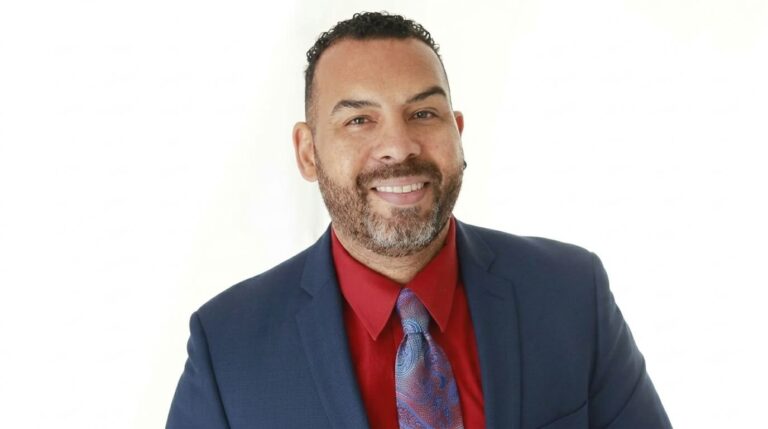
Brian Mavis expounded on this quote in a recent episode of the Foster Friendly Podcast:
“When the big sectors, when they’re not cooperating with each other and they’re not working together, when they’re fighting, it’s the more vulnerable and very often the kids who end up becoming the victims. And so I want to thank you for working hard on getting these elephants and donkeys to not fight and actually to work together for the sake of these kids.”
Enter Congressman Greg Landsman to the conversation as he shared insights into a groundbreaking initiative aimed at supporting foster youth in higher education. His proposed legislation would allow young adults coming out of foster care to use housing vouchers for on-campus housing, highlighting the significance of belonging and community for these young individuals. This initiative, known as the College Housing Affordability Act, seeks to extend housing vouchers to cover on-campus housing, providing foster youth with a sense of community and belonging.
The Vision:
Congressman Landsman, a passionate advocate for children and families, emphasized the importance of community in fostering success. “If you can make a community really great for kids, it’s probably going to be great for everybody,” he stated. This vision is at the heart of the proposed bill, which aims to remove financial and emotional barriers for foster youth pursuing higher education.
The Initiative:
The College Housing Affordability Act proposes allowing foster youth to use housing vouchers for on-campus housing. This change would not only make college more affordable but also ensure that foster youth are integrated into the campus community, increasing their chances of success. “Belonging is at the heart of everything,” Landsman noted, highlighting the critical role of community in student retention and graduation rates.
Why This is Particularly Important:
Research shows that the average U.S. young adult is nine times more likely than a former foster teen who ages out of the system to achieve a post-secondary degree (1). That’s sobering! Increasing post-secondary education goals and outcomes through connecting to better financial resources and relational supports in the community is so crucial to changing these stats.
“Currently, the HUD’s Housing Choice Voucher Program cannot currently be used by college students, whether they live on or off campus. . . Research indicates that freshman and sophomores who live in college dorms have higher GPAs, graduation rates, lifetime earnings, and build more lifelong friendships than their off-campus counterparts (2).” Many of us can imagine how hard it would have been to get through college and find peer support and quality social interaction if we couldn’t live on campus (especially in the first couple of years). This exciting piece of legislation is a huge help for this staggering issue.
- http://www.childrensrights.org/newsroom/fact-sheets/aging-out/
- https://landsman.house.gov/posts/landsman-introduces-bipartisan-legislation-to-help-low-income-students-pay-for-college-campus-housing
Bipartisan Support:
The initiative has garnered bipartisan support, with both Republicans and Democrats recognizing the need to support foster youth. “This is about as nonpartisan or bipartisan as it gets,” Landsman remarked, expressing optimism about the bill’s potential to pass and make a tangible difference in the lives of foster youth.
Call to Action:
As the bill progresses through Congress, advocates and supporters are encouraged to reach out to their representatives and express their support. By working together, we can ensure that foster youth have the resources and community they need to thrive in higher education and beyond. Checkout all the other ways you can get involved supporting kids in foster care and foster families in your community.