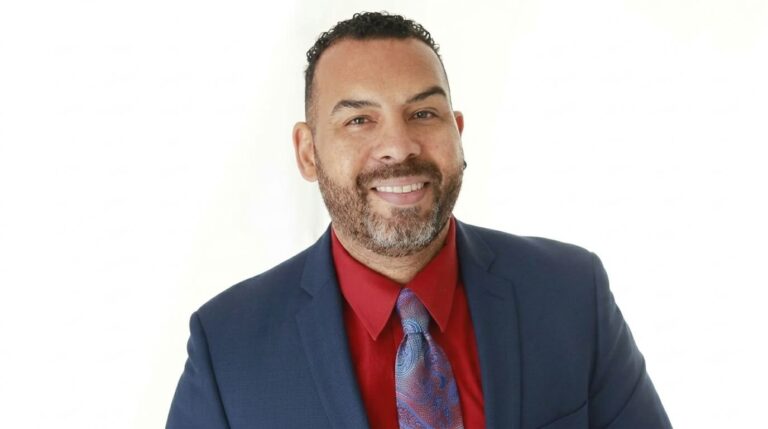


Fatherhood is a journey of making and becoming, shaped by relationships, choices, and imagination. In a recent conversation on the Foster Friendly Podcast, author and community building advocate Patton Dodd shared his own candid stories about his own experience with fatherhood.
Building Bridges Through Intentional Presence
Patton reflects on the vulnerability and uncertainty many men face when they become fathers—feeling ill-equipped and anxious. His advice? The key isn’t instant emotional surges but persistent, attentive presence. In the early days with his children, Patton chose to keep showing up—being physically present, listening, and engaging.
Over time, genuine affection and love grew out of that commitment. Real connection requires intentional effort—putting down the phone, tuning into real moments, and offering your attention fully. This creates a space where love and trust can develop.
Why this is particular significant in foster care
- In foster care, where children may have experienced instability, a consistent and attentive presence can provide much-needed security and trust.
- His journey of understanding his own father’s trauma highlights the importance of empathy. In foster care, recognizing the backgrounds and challenges of both children and biological parents can foster more compassion as they work toward healing.
- Intentionality in relationships is crucial in foster care, where building meaningful connections can significantly impact a child’s emotional and psychological well-being.
- The concept of creating father figures is very relevant in foster care as children often need to form new, positive relationships with male role models. This idea helps men understand how crucial their role is in fostering.
Listen to the episode or watch below:
Beyond the Biological, Towards the Real
Patton’s memoir, “The Father You Get, The Father You Make,” explores four dimensions of fatherhood: the father you are born with, the fathers you choose or create, the divine father concept, and the father you become. He recounts the chaotic life with his own father and how this shapes his quest to understand what it means to be a father.
Final Takeaway:
Recognizing that fatherhood is a process—one that can be chosen and shaped—creates space for forgiveness, growth, and healing. It shifts the narrative from blame to compassion. Embrace the idea that fatherhood is a journey of making and becoming, and your intentional presence is perhaps the most powerful gift you can give to a child or a community.
Helpful Quotes:
- “I tell the story in my book about when I became a dad and how it wasn’t until my first kid was born that I realized I wasn’t ready… I felt extremely vulnerable and incompetent.”
- “All that’s really needed is just continual presence, you know, offering, keep showing up.”
- “I think that’s the practice, just trying to keep choosing to be as attentive as you can.”
- “Recognizing that fatherhood is a process—one that can be chosen and shaped—creates space for forgiveness, growth, and healing.”